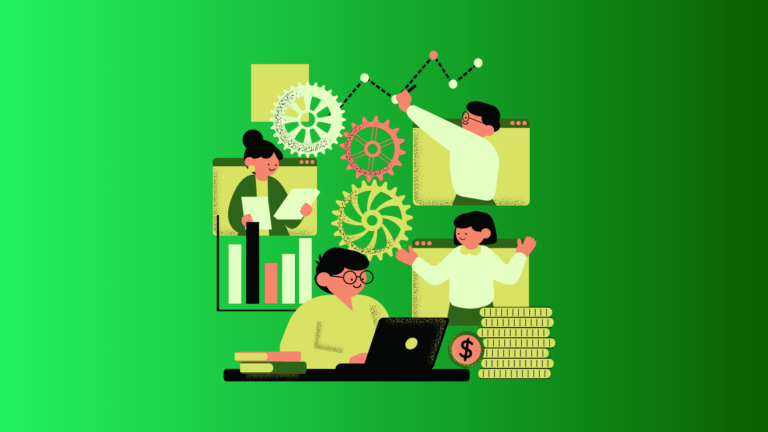
Employee training has changed significantly over the past decade.
Organizations are no longer training employees just to “check a box.” Today, training plays a direct role in how quickly people become productive, how well teams perform, and how long employees stay with a company.
As workplaces become more digital, distributed, and fast-moving, understanding the different types of employee training is essential. Each type serves a specific purpose, and choosing the right one can make the difference between training that works and training that gets ignored.
This guide explains the most common types of employee training used in modern workplaces, when each one is needed, and how they fit into a long-term learning strategy.
What Is Employee Training?
Employee training refers to structured learning initiatives designed to help employees develop the skills, knowledge, and behaviors needed to perform effectively in their roles.
Training can support many goals. It may help new hires get up to speed, enable existing employees to adapt to new tools, or prepare high performers for leadership roles. In some cases, training is mandatory to meet legal or regulatory requirements. In others, it is a strategic investment in growth and retention.
Regardless of the goal, effective training is intentional, measurable, and aligned with business needs.
Why Employee Training Matters in Modern Workplaces
Modern organizations operate in a state of constant change.
New technologies are introduced regularly. Roles evolve. Teams become more cross-functional. Customer expectations rise. In this environment, skills can become outdated quickly.
Employee training helps organizations respond to these challenges by creating clarity and consistency. Well-designed training programs reduce uncertainty, improve performance, and give employees confidence in their work.
From a business perspective, training contributes to faster onboarding, higher productivity, better retention, and fewer costly mistakes. Over time, it also helps organizations build internal expertise instead of relying solely on external hiring.
The Main Types of Employee Training
Most organizations rely on more than one type of training. Each type addresses a different stage of the employee lifecycle or a different business objective.
Understanding these categories makes it easier to design balanced and effective training programs.
Onboarding Training
Onboarding training is the first structured learning experience most employees have with an organization.
Its purpose is to help new hires understand how the company works, what is expected of them, and how they can succeed in their role. This includes more than just introductions and paperwork.
Effective onboarding training typically covers company culture, internal tools, processes, role-specific responsibilities, and performance expectations. When done well, it reduces confusion and helps employees become productive faster.
Poor onboarding, on the other hand, often leads to frustration, disengagement, and early attrition. This is why many organizations treat onboarding as a critical investment rather than a formality.
Technical or Job-Specific Training
Technical or job-specific training focuses on the skills employees need to perform their day-to-day responsibilities effectively.
This type of training varies widely depending on the role. It may include learning how to use specific software, understanding internal workflows, mastering technical processes, or gaining in-depth product knowledge.
Without structured technical training, performance gaps tend to appear quickly. Employees may rely on trial and error, informal help from colleagues, or outdated documentation. Over time, this leads to inefficiencies and inconsistent outcomes.
Job-specific training helps standardize performance and ensures that employees have the tools and knowledge they need to do their work well.
Compliance Training
Compliance training ensures that employees understand and follow laws, regulations, and internal policies relevant to their role and industry.
This type of training is often mandatory and recurring. It may cover areas such as workplace safety, data protection, information security, anti-harassment policies, or industry-specific regulations.
While compliance training is sometimes viewed as routine or administrative, it plays an important role in risk management. Consistent training helps organizations avoid legal issues, protect employees, and maintain ethical standards.
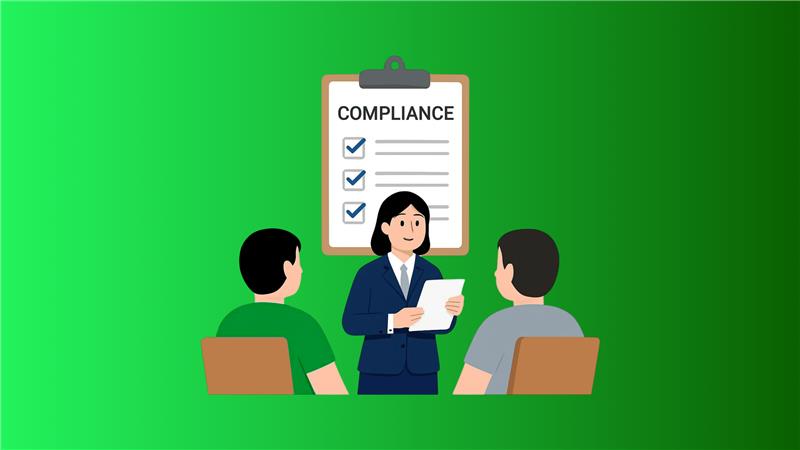
To be effective, compliance training must be clear, up to date, and easy to track.
Soft Skills Training
Soft skills training focuses on how employees interact, communicate, and collaborate rather than on technical expertise alone.
As work becomes more team-based and less hierarchical, soft skills have become essential. Communication, problem solving, adaptability, emotional intelligence, and time management all directly affect performance and workplace culture.
Soft skills training is especially valuable in customer-facing roles, leadership positions, and cross-functional teams. It helps employees navigate complex situations, manage conflict, and work more effectively with others.
Although soft skills can be harder to measure than technical skills, their impact is often reflected in engagement, retention, and overall team effectiveness.
To understand how personalization increases engagement and long-term skill retention, read Why Personalized Learning Matters in the Workplace in 2026.
Leadership and Management Training
Leadership and management training prepares employees to take on greater responsibility within an organization.
This type of training focuses on skills such as coaching, decision making, goal setting, performance management, and conflict resolution. It is often used to support first-time managers as well as experienced leaders adapting to new challenges.
Strong leadership training helps organizations build internal leadership pipelines. It also reduces the risk of promoting employees into management roles without adequate preparation, which is a common cause of team disengagement.
Over time, leadership training contributes to more consistent management practices and a healthier organizational culture.
Product and Process Training
Product and process training helps employees understand how the organization’s offerings and internal systems work.
This is particularly important for sales, support, and operations teams. When employees understand products deeply and follow clear processes, they are better equipped to serve customers and solve problems efficiently.
Process training also plays a key role in scaling organizations. As teams grow, informal knowledge sharing becomes less effective. Structured training ensures that best practices are documented and consistently applied.
Customer Education Training
Not all training is internal. Many organizations invest in training their customers as well.
Customer education training helps users understand how to use products effectively and get value from them. This may include onboarding programs, feature walkthroughs, best practice courses, or certification programs.
Well-designed customer training reduces support load, improves adoption, and increases retention. It also strengthens long-term customer relationships by empowering users rather than leaving them dependent on support teams.
How to Choose the Right Types of Employee Training
Choosing the right training approach starts with understanding your goals.
Some training programs focus on compliance and risk reduction. Others aim to improve performance, speed up onboarding, or prepare employees for future roles. The experience level of employees and the complexity of their work also matter.
Most organizations benefit from combining multiple types of training rather than relying on a single approach. A balanced strategy ensures that employees receive the right support at each stage of their journey.
How Modern Organizations Deliver Employee Training
Training delivery has evolved alongside technology.
Today, many organizations use digital learning platforms to deliver self-paced courses, virtual instructor-led sessions, and blended learning programs. These platforms help centralize content, track progress, and maintain consistency across teams.
Learning management systems make it easier to scale training while still measuring results. They provide visibility into who has completed training, how learners are performing, and where improvements are needed.
Common Mistakes Organizations Make With Training
Even well-intentioned training initiatives can fall short.
Common issues include treating training as a one-time event, focusing only on content delivery rather than outcomes, and failing to update materials as roles evolve. Another frequent mistake is applying the same training to every role without considering different needs.
Effective training programs are iterative. They evolve based on feedback, performance data, and changing business priorities.
Building a Sustainable Training Strategy
Employee training works best when it is continuous and aligned with real work.
Over time, structured training helps organizations develop skills internally, reduce turnover, and build a culture of learning. Employees are more engaged when they see clear opportunities to grow and improve.
Modern platforms like Acadle support this approach by bringing different types of training together in one system. Structured learning paths, progress tracking, and certifications make it easier to manage training at scale without losing clarity.
Final Thoughts
There is no single best type of employee training.
The most effective organizations understand the purpose of each training type and use them together to support employees throughout their journey. When training is intentional, measurable, and relevant, it becomes a powerful driver of performance and growth.
The right training strategy works best when it’s easy to manage and measure.
Try it free and see how structured learning can support every stage of employee development.