Organizations invest heavily in employee training, yet many still struggle to achieve consistent results. One common reason is the assumption that the same training program can meet the needs of every employee across the organization.
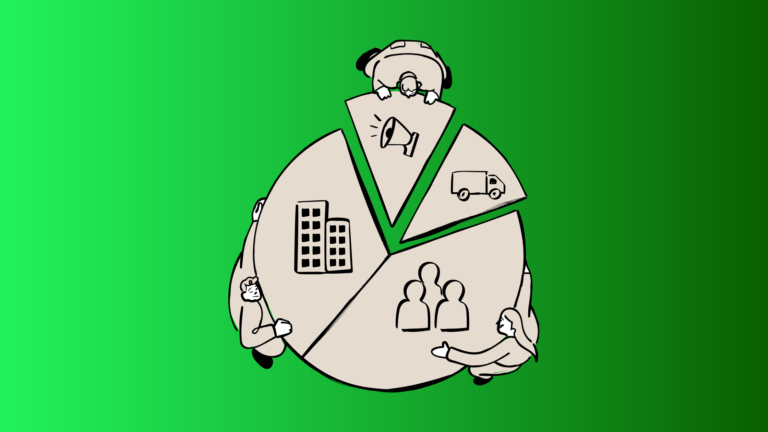
In reality, departments operate in very different environments. Sales teams focus on customer conversations and revenue generation. HR teams manage compliance, employee relations, and organizational policies. IT teams handle technology infrastructure, cybersecurity, and system management. Each group faces unique challenges, responsibilities, and performance expectations.
Because their work differs, their learning needs differ as well.
A successful training strategy recognizes these differences and delivers learning experiences that align with specific job roles, business objectives, and skill requirements. This is why department-specific training has become a critical part of modern learning and development programs.
Why One-Size-Fits-All Training Often Falls Short
Generic training programs may seem efficient from an administrative perspective, but they often create frustration for learners.
Employees quickly lose interest when training feels disconnected from their daily responsibilities. A sales representative may not benefit from technical system configuration lessons, just as an IT administrator may find sales negotiation modules irrelevant.
When employees spend time completing content that does not support their work, engagement drops and training effectiveness suffers.
The goal of learning is not simply to complete courses. The goal is to improve performance.
Department-specific training ensures that employees receive the knowledge and skills they need to succeed in their particular roles.
Different Departments Have Different Learning Priorities
Every department contributes to organizational success in a different way.
Sales teams need training that helps them build relationships, handle objections, understand products, and close deals. Their learning often focuses on communication, customer engagement, and revenue growth.
Human resources teams require knowledge of employment regulations, workplace policies, performance management, and employee development. Compliance and people management are often central to their learning priorities.
IT departments focus on technical skills, cybersecurity awareness, software systems, infrastructure management, and emerging technologies. Their training must evolve constantly to keep pace with changing technology.
Operations teams may prioritize process improvement, quality control, safety procedures, and efficiency. Finance teams often require training related to reporting standards, risk management, auditing, and regulatory compliance.
Each department faces different challenges, which means each requires a different learning approach.
The Business Benefits of Tailored Training
When training aligns with actual job responsibilities, employees are more likely to engage with the content and apply what they learn.
Relevant training improves productivity because employees develop skills they can use immediately. Instead of learning information that may never be applied, they focus on capabilities that directly influence their performance.
Targeted learning also helps organizations improve compliance outcomes. Department-specific compliance training ensures employees understand the regulations and policies that apply to their particular roles, reducing risk and improving accountability.
Another significant benefit is employee retention. Professionals are more likely to stay with organizations that invest in their growth and provide meaningful development opportunities. Personalized learning demonstrates a commitment to employee success and career progression.
Ultimately, department-specific training creates a stronger connection between learning investments and business results.
Supporting Faster Onboarding Across Teams
The onboarding experience varies significantly between departments.
A new sales representative needs product knowledge, sales processes, and CRM training. A new HR professional requires an understanding of company policies, employee procedures, and compliance requirements. An IT employee may need access management, security protocols, and technical documentation.
Providing the same onboarding experience to every employee can slow productivity and create unnecessary confusion.
Department-focused learning paths help new hires reach competency faster by delivering only the information they need to perform their roles successfully.
This creates a smoother onboarding experience while reducing time-to-productivity.
How an LMS Makes Department-Specific Training Scalable
Creating customized training for multiple departments might sound difficult, but modern learning management systems make the process far more manageable.
An LMS allows organizations to build role-based learning paths that automatically assign relevant content to employees based on their department, position, or responsibilities.
Instead of managing separate training programs manually, administrators can create structured learning journeys that guide each employee through content tailored to their needs.
This approach reduces administrative effort while improving learner relevance.
Employees see content that applies to their jobs, managers gain visibility into progress, and organizations maintain consistency across all training initiatives.
Using Automation to Deliver the Right Training at the Right Time
One of the most valuable capabilities of a modern LMS is automation.
As employees join a department, change roles, or take on new responsibilities, learning paths can be assigned automatically. Compliance refreshers can be scheduled regularly, certifications can be tracked, and reminders can be sent without manual intervention.
For example, a newly hired sales employee might automatically receive product training, CRM onboarding, and customer communication modules. Meanwhile, a new IT employee could be enrolled in cybersecurity, system administration, and security compliance courses.
Automation ensures that employees receive relevant training exactly when they need it.
Measuring Learning Impact by Department
Effective training programs rely on data.
Organizations need visibility into how different departments are progressing, where skill gaps exist, and which learning initiatives are producing measurable results.
An LMS provides analytics that help training teams monitor completion rates, assessment scores, certifications, and learner engagement across departments.
These insights make it easier to identify areas that need improvement and ensure training investments are aligned with business goals.
Rather than guessing what employees need, organizations can make informed decisions based on real performance data.
Building a Smarter Learning Strategy
Department-specific training is not about creating more content. It is about creating more relevant content.
The most successful organizations understand that employees learn best when training reflects the realities of their work. By aligning learning programs with departmental responsibilities, organizations can improve productivity, strengthen compliance, accelerate onboarding, and support long-term employee growth.
Modern LMS platforms make this approach easier than ever by combining automation, personalization, and analytics into a single learning environment.
Final Thoughts
Different departments have different goals, challenges, and skill requirements. As a result, they need different training strategies.
When organizations move beyond generic learning programs and deliver role-specific training, employees gain more relevant skills, engage more deeply with learning, and contribute more effectively to business success.
With the right LMS, department-specific training becomes a scalable and measurable strategy that helps every team learn what matters most.