Employee performance is often discussed in terms of productivity, skills, or efficiency. But behind every high-performing team is something deeper: employees whose core needs are being supported consistently.
When employees feel disconnected, unclear about expectations, or unsupported in their growth, productivity naturally declines. On the other hand, when organizations create environments that support learning, autonomy, and recognition, employees become more engaged, focused, and motivated.
Modern workplace psychology consistently shows that employee efficiency is closely tied to a few essential human needs. Understanding those needs and responding to them strategically can improve retention, collaboration, learning outcomes, and long-term business performance.
This is where a Learning Management System (LMS) becomes more than a training platform. It becomes a system for supporting employee development at scale.
Why Employee Needs Matter in Workplace Performance
Employees do not perform at their best simply because tasks are assigned. Performance improves when people feel capable, valued, and connected to their work.
In fast-moving organizations, employees often deal with:
- Constant process changes
- Information overload
- Unclear expectations
- Limited development opportunities
- Burnout from repetitive workflows
When these challenges are ignored, engagement drops and productivity suffers.
Organizations that actively support employee learning and well-being create stronger internal capability over time. Employees become more confident in their roles, collaborate more effectively, and adapt faster to change.
The goal is not only to train employees, but to create an environment where they can grow consistently.
The Core Needs That Drive Employee Efficiency
While every employee is different, most workplace motivation can be connected to a few common needs.
Autonomy Creates Ownership
Employees perform better when they feel trusted to manage their work responsibly.
Micromanagement often reduces motivation because employees feel they lack control over how they contribute. Giving employees flexibility in how they learn, prioritize tasks, or complete projects improves accountability and focus.
In learning environments, self-paced training allows employees to progress comfortably without unnecessary pressure.
When people feel ownership over their development, participation becomes more natural.
Competence Builds Confidence
Employees want to feel capable in their roles.
When skill gaps remain unaddressed, employees hesitate, make repeated mistakes, or avoid challenges entirely. Continuous learning helps employees feel prepared for both current responsibilities and future opportunities.
Organizations that invest in skill development often see:
- Faster onboarding
- Better decision-making
- Improved adaptability
- Higher confidence across teams
Training becomes most effective when employees clearly understand how learning connects to their daily responsibilities.
Relatedness Improves Engagement
Employees are more engaged when they feel connected to their team and workplace culture.
A sense of belonging strengthens collaboration, communication, and participation. Without it, learning often becomes isolated and transactional.
Collaborative learning environments, peer discussions, mentorship programs, and shared learning experiences help employees feel involved rather than disconnected.
In modern workplaces, engagement grows through interaction, not just instruction.
Clarity Reduces Frustration
One of the biggest causes of workplace inefficiency is unclear expectations.
Employees lose time when priorities, responsibilities, or goals are poorly communicated. Clarity helps employees focus on meaningful work instead of constantly seeking direction.
Structured learning paths, defined milestones, and transparent progress tracking create confidence because employees understand what success looks like.
Clear expectations reduce confusion and improve consistency across teams.
Growth Opportunities Increase Retention
Employees want to see progress in their careers.
When organizations fail to provide development opportunities, motivation often declines over time. Employees begin feeling stagnant, even if compensation remains competitive.
Career-focused learning programs help employees build new skills while preparing for future roles internally.
This benefits both employees and organizations by improving retention and strengthening internal talent pipelines.
How to Understand What Employees Actually Need
Many organizations assume they understand employee challenges without gathering meaningful feedback.
The most effective approach combines observation, communication, and performance analysis.
Start With Direct Conversations
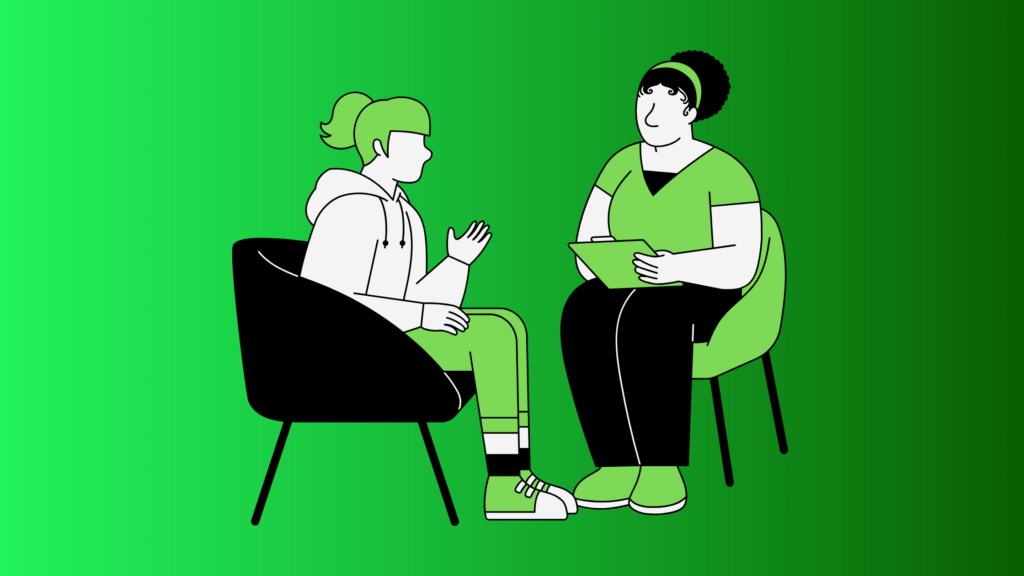
Managers and L&D teams should regularly ask employees questions like:
- What challenges slow you down at work?
- Which skills would help you perform better?
- What type of support would improve your confidence?
Simple conversations often reveal learning gaps that analytics alone cannot identify.
Anonymous surveys can also help employees share honest feedback about training, workload, and development needs.
Observe Performance Patterns
Employee behavior often highlights hidden gaps.
Repeated mistakes, inconsistent performance, disengagement during training, or delayed task completion may indicate unclear processes or missing skills.
Not every performance issue is motivational. Sometimes employees simply lack the right support systems.
Tracking trends over time helps organizations identify where learning interventions are needed most.
Pay Attention to Burnout Signals
Employees who suddenly disengage, avoid collaboration, or struggle with routine tasks may be experiencing overload rather than poor performance.
Organizations that respond early with support, flexibility, and learning adjustments often prevent larger productivity problems later.
Employee efficiency is closely connected to mental clarity and sustainable workloads.
How an LMS Helps Support Employee Needs
A modern LMS helps organizations deliver training in ways that support both performance and employee experience.
Platforms like Acadle help organizations create structured, scalable learning environments that align training with employee development goals.
Personalized Learning Paths Improve Relevance
Not every employee requires the same training experience.
Acadle allows organizations to create role-based learning journeys tailored to departments, skill levels, or career paths. This keeps learning relevant and reduces unnecessary content overload.
Employees stay more engaged when training directly connects to their responsibilities.
Self-Paced Learning Supports Autonomy
Flexible learning environments allow employees to learn at their own pace without disrupting daily workflows.
Self-paced modules reduce pressure while helping employees balance training alongside work responsibilities.
This flexibility is particularly valuable for remote teams, global organizations, and busy operational environments.
Analytics Help Identify Skill Gaps
Training becomes more effective when organizations can measure progress clearly.
Acadle’s analytics and reporting features help managers track:
- Course completion
- Engagement patterns
- Skill development progress
- Areas where learners struggle
This visibility allows organizations to provide targeted support instead of relying on assumptions.
Gamification Encourages Participation
Features like badges, certificates, progress tracking, and leaderboards help increase learner motivation through visible progress and achievement.
Gamification adds momentum to learning without making training feel forced or repetitive.
Small milestones often encourage continued participation over time.
Consistent Learning Improves Organizational Alignment
An LMS ensures employees across locations, departments, or remote teams receive consistent information and training experiences.
This improves communication, reduces process variation, and strengthens operational consistency across the organization.
Building a Workplace That Supports Performance
Employee efficiency is rarely solved through pressure alone. Sustainable performance comes from environments where employees feel supported, capable, and connected to meaningful growth.
Organizations that invest in structured learning, skill development, and employee experience often see improvements far beyond training completion rates.
They build stronger teams, improve retention, reduce knowledge gaps, and create cultures where learning becomes part of everyday work.
Final Thoughts
Employees perform best when their psychological and professional needs are supported consistently. Autonomy, competence, clarity, growth, and connection all contribute directly to engagement and workplace efficiency.
A modern LMS helps organizations support these needs systematically through personalized learning, progress tracking, flexible training delivery, and continuous development opportunities.
With platforms like Acadle, organizations can move beyond one-time training programs and build learning environments that improve both employee experience and business performance over time.
When learning aligns with what employees genuinely need, productivity becomes a natural outcome rather than a constant challenge.
Start building smarter workplace training programs with Acadle today.