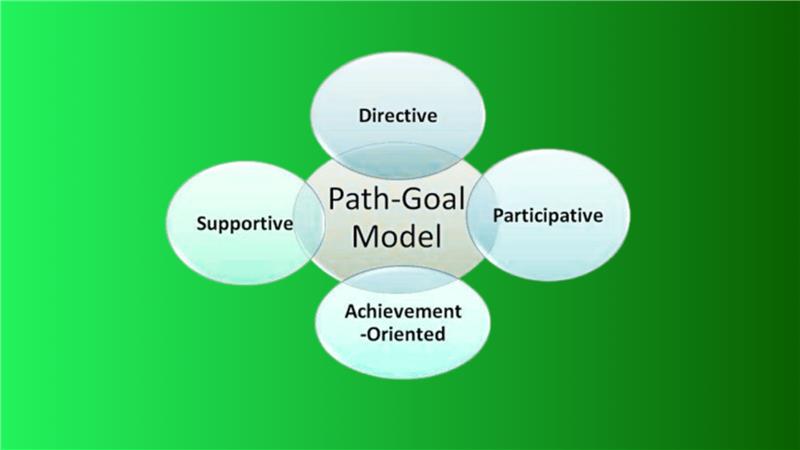
Leadership today is no longer about issuing commands. It is about guiding people toward success by removing obstacles, providing clarity, and adapting to different situations. This is exactly what the Path-Goal Theory of Leadership focuses on.
Developed by psychologist Robert House, Path-Goal Theory explains how leaders can motivate employees by clarifying goals, supporting them along the way, and choosing the right leadership style based on team needs and task complexity.
In this guide, we will break down the theory in simple terms, explore its four leadership styles with workplace examples, and explain how modern organizations can apply it through structured learning and development.
What Is Path-Goal Theory of Leadership? (Simple Explanation)
The Path-Goal Theory of Leadership states that a leader’s primary role is to clear the path so employees can achieve their goals.
This means leaders should:
- Clearly explain what success looks like
- Remove obstacles that slow people down
- Provide the right level of guidance or support
- Adapt their leadership style to the situation
When employees understand where they are going and how to get there, motivation increases naturally. Instead of pushing people harder, leaders make success easier to achieve.
Why Path-Goal Theory Still Matters in Modern Workplaces
Modern teams are more diverse than ever. They include remote employees, cross-functional roles, and varying experience levels. A single leadership style no longer works for every situation.
Path-Goal Theory remains relevant because it:
- Adapts leadership to different people and tasks
- Improves employee motivation and satisfaction
- Reduces confusion and role ambiguity
- Helps leaders manage change effectively
This flexibility makes it especially useful for growing companies, remote teams, and fast-changing work environments.
The Four Leadership Styles in Path-Goal Theory (With Examples)
Path-Goal Theory identifies four leadership styles. Effective leaders move between these styles based on team needs rather than sticking to one approach.
1. Directive Leadership
Directive leaders provide clear instructions, structure, and expectations. They define roles, processes, and timelines upfront.
Best used when:
- Tasks are new or complex
- Employees lack experience
- Processes are unclear
Workplace example:
A manager onboarding new hires provides step-by-step task instructions, clear deadlines, and documented workflows to reduce uncertainty.
2. Supportive Leadership
Supportive leaders focus on employee well-being and morale. They build trust, listen actively, and create a positive work environment.
Best used when:
- Work is repetitive or stressful
- Teams feel disengaged
- Motivation is low
Workplace example:
A team lead checks in regularly with employees, encourages breaks, and recognizes effort during high-pressure projects.
3. Participative Leadership
Participative leaders involve employees in decision-making and problem-solving. Feedback and collaboration are encouraged.
Best used when:
- Teams are experienced
- Innovation is required
- Buy-in matters
Workplace example:
A product manager invites team members to contribute ideas before finalizing a roadmap, improving ownership and creativity.
4. Achievement-Oriented Leadership
Achievement-oriented leaders set challenging goals and show confidence in their team’s ability to achieve them.
Best used when:
- Employees are skilled and motivated
- Performance improvement is a priority
- Stretch goals encourage growth
Workplace example:
A sales leader sets ambitious quarterly targets while providing tools and learning resources to support success.
How Path-Goal Theory Improves Motivation and Performance
Path-Goal Theory directly links effort to outcomes, which is a key driver of motivation.
Key benefits include:
- Clear expectations and reduced confusion
- Higher job satisfaction
- Better alignment between individual and company goals
- More confident and self-directed employees

When leaders actively remove barriers, employees spend less time struggling and more time performing.
Applying Path-Goal Theory Through Learning and Development
Leadership behaviors are not developed overnight. They require continuous learning, practice, and reinforcement.
Organizations can apply Path-Goal Theory through structured learning programs by:
- Designing clear learning paths (directive leadership)
- Offering accessible support resources and mentoring (supportive leadership)
- Enabling discussions, peer learning, and feedback (participative leadership)
- Creating milestone-based challenges and assessments (achievement-oriented leadership)
Tracking progress and removing learning obstacles ensures employees stay motivated and aligned with development goals.
To learn how structured LMS learning paths improve employee development results, read When does a SaaS Company Need an LMS?
How Acadle Supports Path-Goal Leadership in Practice
Path-Goal Theory reminds us that effective leadership is situational, not fixed.
Acadle helps organizations turn leadership theories into practical, scalable learning experiences by offering:
- Structured learning paths for clarity
- Collaborative tools for participation
- Progress tracking to remove learning barriers
- Goal-driven challenges to encourage achievement
When learning systems support leadership adaptability, teams perform better and grow with confidence.